Languages
As we communicate in different languages (currently English and German), it is important to maintain consistency between them and align the communication styles between languages.
The Curelator™ brand
The Curelator™ brand will never be translated into any languages and will always be applied in English in all type of applications.

Product names
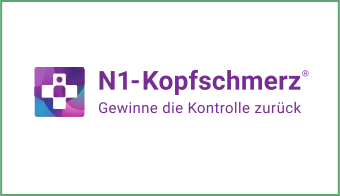
All product names must be translated into each language, to ensure consistency among communications.

Application of the protected symbols for each language
The same name in different countries, and therefore languages, might have a different type of protection (registered or subjected to trademark symbols). Make sure to apply the correct one. Check here.


German: How to use the second person instead of “You”
In English, the second person is treated simply as “You” but in German one of the most important considerations is when to use “Sie” (the formal “you”) and when to use “Du/Dein” (the informal “you”).
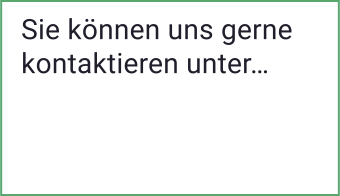
In German, we use “jemand siezen” - “Sie” - when we communicate with clinicians or professionals (formal).
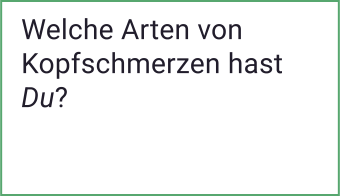
In German, we use “jemand dozen” - “Du” - when we communicate with patients or users (more personal and informal).